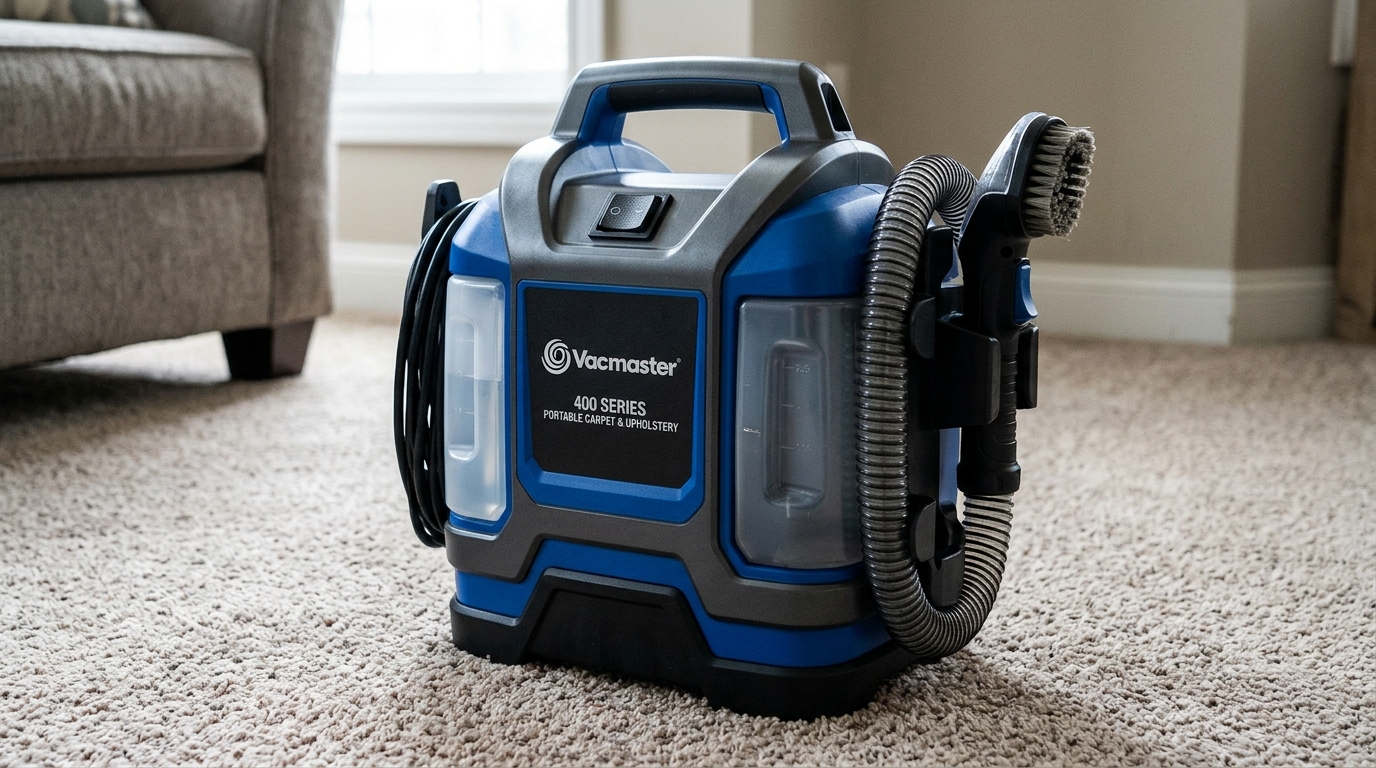
Vacmaster 400 Series Portable Spot Cleaner: A Practical Look at Targeted Stain Care
Introduction
Most stains arrive without warning. A glass of juice tips over during a movie night, a muddy paw lands on the sofa cushion, or a child’s crayon finds its way onto the living room rug. In those moments, a full-size carpet cleaner can feel like too much equipment for one small mark, and a regular vacuum does nothing to lift a spot that has already soaked into the fibers. That gap is where portable spot cleaners tend to earn their place.
The Vacmaster 400 Series is a portable carpet and upholstery spot cleaner, designed for treating localized areas rather than entire rooms. This article explains what this category of machine is generally built to do, how spot cleaners fit into a regular home-care routine, which kinds of households tend to find them useful, and what to think about before choosing one. The aim is to help you understand the product type and read the listing with a clearer sense of what matters, rather than to push you toward a purchase.
What Makes a Spot Cleaner Different
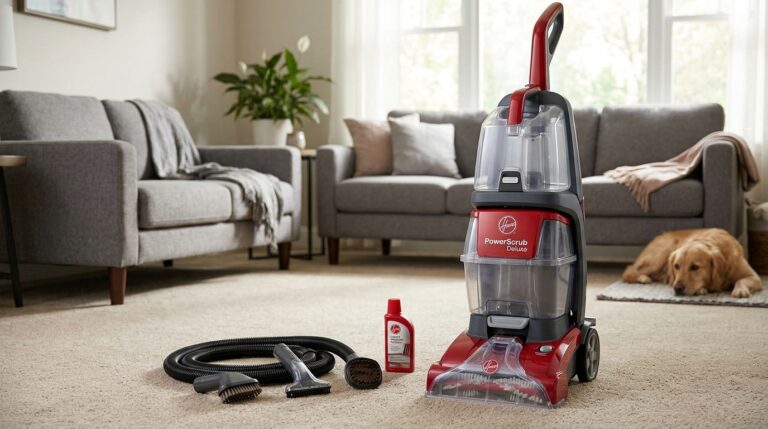
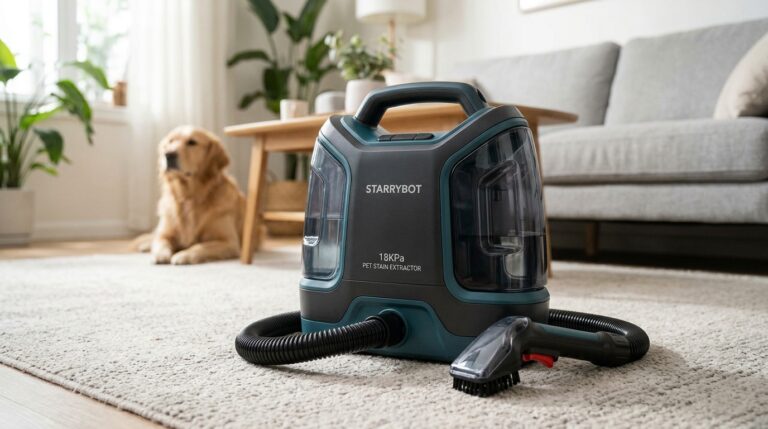
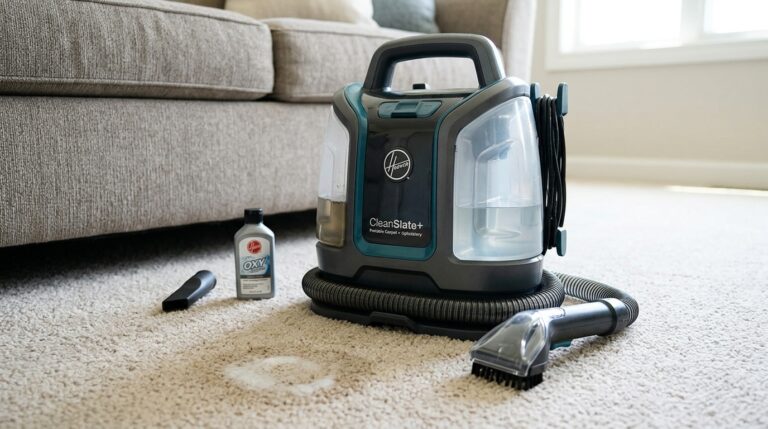
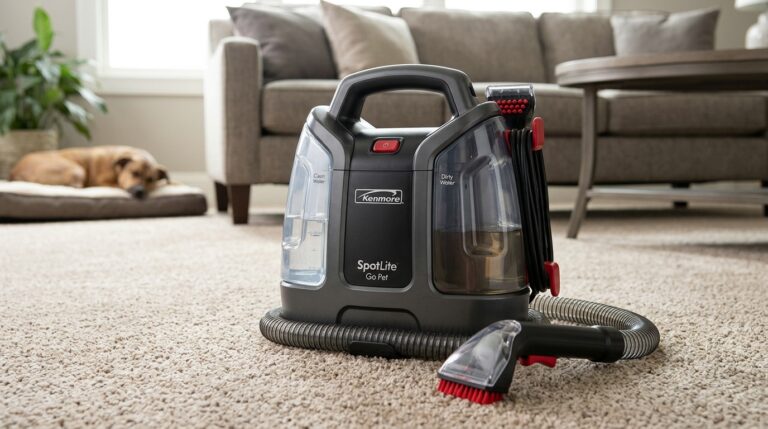
A spot cleaner is smaller and more focused than a deep carpet cleaning machine. Instead of covering a large floor area, it concentrates on a single stain or a small patch of soiled fabric. Most units of this type combine a water and solution reservoir, a nozzle or wand, a brush or agitation head, and a recovery system that draws the liquid and loosened residue back out of the material.
The core idea is simple. Solution is released onto the stain, the brush works it into the fibers, and suction lifts the mixture away. The process can be repeated until the mark fades. Because the machine is light and compact, it can be carried from room to room, used on stairs, or set up near a car seat without needing to move furniture or drag a heavy unit around the house.
That convenience comes with a trade-off. A spot cleaner is not designed to refresh an entire carpet in one pass, and it can take longer to cover larger areas than a dedicated room-sized machine would. Thinking of it as a tool for targeted treatment helps set realistic expectations from the start.
Notable Characteristics of the 400 Series
Product listings for portable machines often describe a combination of suction, brush action, and solution delivery, along with ergonomic handling and easy-to-clean components. For the 400 Series, the main attributes to examine are the way the unit delivers solution, how much suction it generates, the size of its tanks, and how its attachments reach different surfaces.
Tank capacity is one of the most practical details. A larger reservoir allows you to treat more stains before refilling, while a smaller one keeps the machine lighter and easier to store. Cord length and power source also affect how far you can work from an outlet, and whether the unit can be used comfortably on stairs or in a vehicle.
Attachments deserve particular attention. Spot cleaners often come with a main nozzle for flat surfaces, and sometimes with a narrower tool for crevices, seams, or upholstery edges. Confirm which accessories are included in the listing and whether they match the surfaces you clean most often. Some tools are designed for carpet, while others suit fabric upholstery or car interiors, and the best fit depends on your household.
Finally, check how the machine is maintained. Removing and rinsing the tanks, clearing the nozzle, and cleaning the brush head are routine tasks. Units that disassemble easily tend to stay hygienic and perform more consistently over time.
Everyday Situations Where a Spot Cleaner Helps
The most common use is treating fresh stains before they set. Liquids such as coffee, wine, or juice are easier to lift when they have not had time to dry, and a portable machine allows you to act quickly without setting up a larger system.
Pets create another frequent set of situations. Accidents on rugs, muddy paw prints on upholstery, and pet hair caught in fabric all benefit from targeted cleaning. A spot cleaner can address these areas directly, although persistent odors may need additional steps and a product formulated for pet-related cleaning.
Families with children often find these machines useful for everyday messes, from snack crumbs embedded in couch cushions to marker or paint marks on carpet. Upholstery attachments can help with fabric seats and cushions, while carpet heads address rugs and runners.
Car interiors are another area where portable cleaners are popular. Floor mats, seat fabric, and carpeted trunk liners collect spills and dirt, and a compact unit can clean them without requiring a trip to a service station. Before cleaning a vehicle interior, check that the solution and the materials are compatible with one another.
Some owners also use spot cleaners on stairs, mattress edges, and other surfaces that are awkward for a full-size machine. As with any cleaning task, a small test area is a sensible starting point, particularly on delicate or dyed fabrics.
Households That Tend to Get the Most Out of It
A portable spot cleaner is often a good match for homes with mixed flooring, a few area rugs, and some upholstered furniture. Because it handles small areas efficiently, it suits households where spills and marks are occasional but need prompt attention.
Homes with pets are a natural fit, especially when accidents or muddy footprints are a regular occurrence. Families with young children also tend to appreciate having a machine on hand for the many small messes that happen between deeper cleanings. Renters who want a compact tool that does not require installation or storage space may find these units especially practical.
Some readers will be better served by other equipment. If your home is mostly hard flooring, carpet cleaning needs are minimal, or you prefer to schedule full-room deep cleaning, a larger machine or a professional service may be more appropriate. People who regularly clean large areas may find a spot cleaner slow for that purpose. It is also worth considering how much time you are willing to spend on each treatment, since spot cleaning involves a fair amount of hands-on work.
Points Worth Weighing Before You Choose
Think About the Surfaces You Clean Most
Carpet, upholstery, and vehicle fabrics respond differently to moisture and agitation. Identify the materials that appear most often in your home and confirm that the machine’s attachments and settings suit them.
Look at Tank Size and Refill Routine
Consider how many stains you typically treat in one session. A larger tank means fewer refills, while a smaller one may be easier to carry and store. Check how easy the tanks are to empty, rinse, and dry.
Confirm the Solution Requirements
Many spot cleaners are designed to work with a particular type of cleaning solution. Using an unapproved product can reduce effectiveness or affect the machine’s warranty. Follow the manufacturer’s guidance on mixing and dosing, and avoid harsh homemade mixtures unless the manual permits them.
Test on a Hidden Area First
Fabrics and carpets vary in dye stability, backing, and sensitivity to water. Testing in a hidden spot reveals whether the solution causes color change or stiffness. This step matters even more with antique rugs, silk, or other delicate materials.
Allow for Drying
Spot-cleaned areas need time to dry, and trapped moisture can encourage odors or residue. Use good airflow, and where appropriate, open windows or run a fan. Keep pets and children away from the area until it is completely dry.
Maintain the Machine
Empty and rinse the recovery tank after every use. Clean the nozzle, check the brush for hair or debris, and let components air dry before storing. Consistent maintenance supports suction strength and helps prevent unpleasant smells.
Set Realistic Expectations for Stains
Fresh stains often respond well to prompt treatment, but older, deeply set, or chemically reactive marks may not lift completely. Some stains are permanent, and certain materials can be damaged by aggressive cleaning. A cautious, repeated approach is usually more effective than trying to remove a mark in one forceful pass.
Comparing Spot Cleaning With Other Options
Several approaches can address stains and surface dirt, and each has its place.
Vacuums handle dry debris, pet hair, and everyday dust efficiently, but they cannot lift liquid stains or extract residue from fibers. Stain removers in liquid or spray form work well for many marks when applied with a cloth or brush, though they require manual scrubbing and can leave residue if not rinsed properly.
Full-size carpet cleaners provide deeper cleaning across large areas. They take more storage space and setup time, but they are better suited to periodic refreshing of entire rooms.
Professional services offer thorough results for large or difficult jobs, although they require scheduling and cost more than a home tool over time.
A portable spot cleaner sits between these options. It offers more extraction power than a cloth and a stain remover, while staying far more compact and quick to use than a room-sized machine. The trade-off is that it is best for targeted work, and it becomes less efficient as the area grows. Choosing among these depends on the size of your home, the types of surfaces you clean, how often spills happen, and how much time you are willing to spend on each task.
Frequently Asked Questions
Is a spot cleaner the same as a carpet cleaner?
Not exactly. A spot cleaner is designed for small, localized areas and is typically more portable. A carpet cleaner is built for covering larger floor areas and usually has a bigger tank and a wider cleaning head.
Can I use it on upholstery and car seats?
Many spot cleaners include attachments suited to upholstery and vehicle interiors. Check the fabric’s care label, confirm that the tools included in the listing match those surfaces, and test in a hidden area before treating visible sections.
How quickly should I treat a stain?
Acting promptly generally improves results, since fresh liquids are easier to lift than dried residue. Blot excess liquid first with a clean cloth before using the machine, and avoid rubbing, which can push the stain deeper into the fibers.
Will it remove pet odors completely?
It can help lift the residue that causes odors, but some smells come from substances that have soaked into padding or subfloors. Persistent odors may require additional treatment, and a formulation designed for pet-related cleaning may be more effective.
How long does a treated area take to dry?
Drying time depends on the material, the amount of solution used, the humidity, and airflow in the room. Thicker carpets and upholstery can take longer. Keeping the area ventilated speeds the process.
Does the machine need special solution?
Many manufacturers recommend a specific formula. Using an unapproved product can affect performance, leave residue, or conflict with warranty terms, so consult the manual for approved solutions and dilution instructions.
Can a spot cleaner handle large stains?
It can treat large stains in sections, working gradually from the outside inward. For very large areas, a full-size machine or a professional service is usually more practical.
Conclusion
The Vacmaster 400 Series portable spot cleaner is designed for the kind of targeted cleaning that comes up in everyday life, from fresh spills and pet accidents to muddy marks on car seats and upholstery. Its practical value depends on the surfaces you clean, the size of the areas you typically treat, and your willingness to work through each stain carefully. Testing on hidden areas, following the solution guidance, allowing proper drying time, and keeping the tanks and nozzle clean will help you get consistent results.