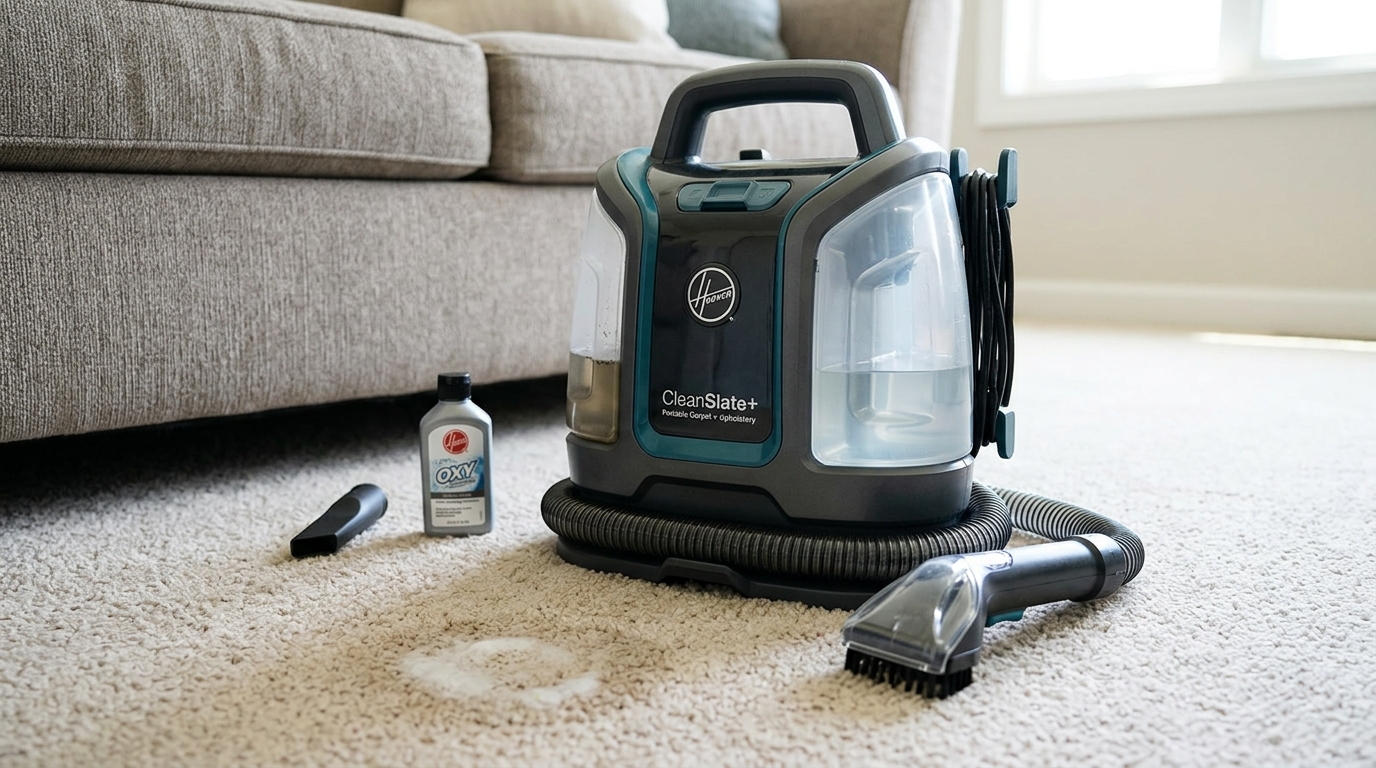
Hoover CleanSlate Plus Spot Cleaner: An Informational Look at Portable Carpet and Upholstery Care
Introduction
Spills rarely happen at convenient moments. A glass of iced tea slips off the armrest during a late-night show, a child traces a marker line across the hallway rug, or a damp dog leaves a set of muddy prints on the stairs. These events are small, but they demand attention before they dry into something harder to remove. A full-size carpet machine can feel like overkill for a single mark, while a vacuum does little once liquid has soaked into the fibers. Portable spot cleaners are designed to fill that middle ground.
The Hoover CleanSlate Plus is a portable machine marketed for both carpet and upholstery spot cleaning. This article looks at how machines in this category are generally constructed, which features tend to matter most, the everyday situations where they are useful, and the practical points to weigh before choosing one. The purpose is to help you understand the product type and read a listing with more context, not to encourage a particular purchase.
Key Features of Portable Spot Cleaners
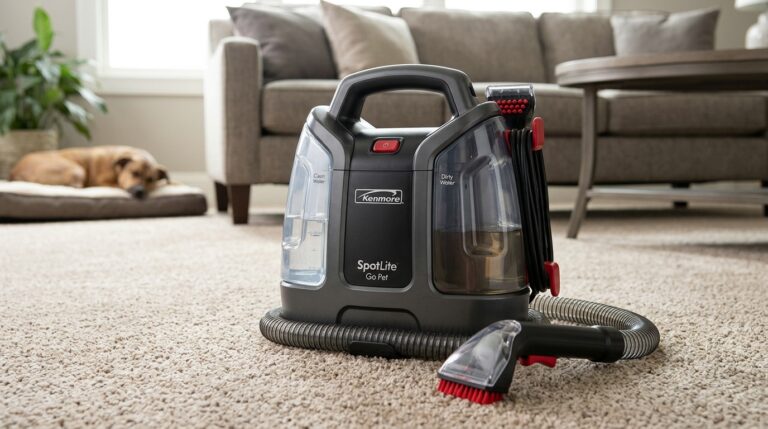
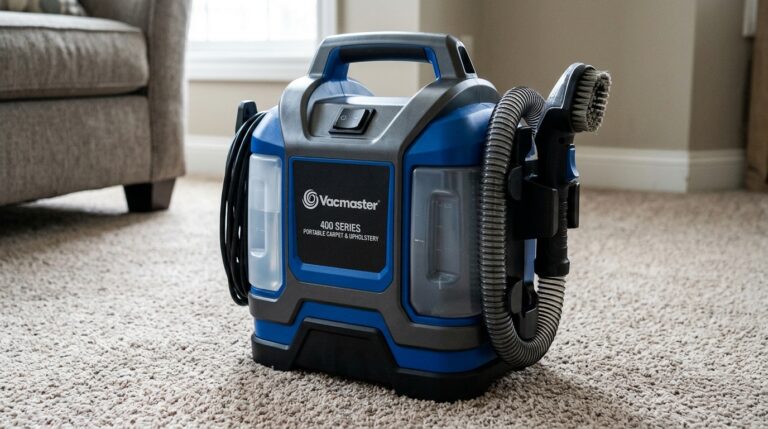
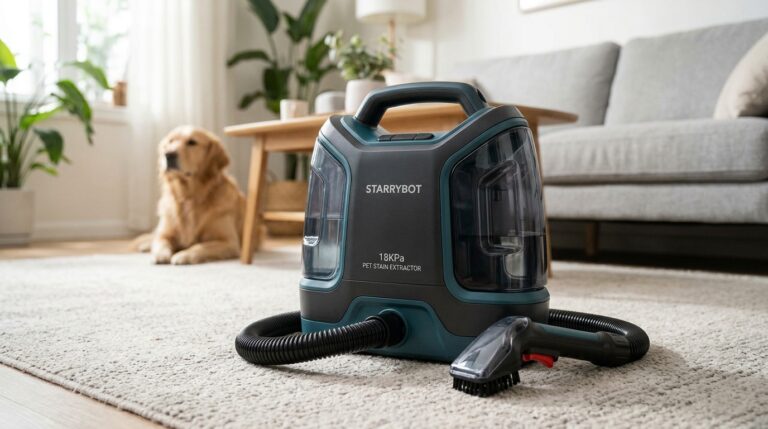
Most portable spot cleaners share a recognizable layout. A clean-solution tank feeds a small pump, which pushes liquid through a nozzle or cleaning head. A brush or agitation element works the solution into the fibers. Suction then draws the mixture into a separate recovery tank, leaving the surface damp rather than soaked. Some units also include a handle that doubles as a carrying grip, while others have a body designed to sit on a counter or the floor between uses.
For the CleanSlate Plus, the features worth examining in any listing include the capacity of each tank, the length of the power cord, the number and type of attachments, and the way the unit handles accessories. Tank size determines how many stains you can address before refilling. A larger clean-water tank allows more work per session, while a smaller one keeps the machine lighter and easier to store on a closet shelf. Cord length affects how far you can work from an outlet, which matters on staircases and in larger rooms.
Attachments are often the most practical part of the design. A main floor head suits rugs and carpeted areas, while a narrower tool helps with upholstery seams, cushion edges, and the tight spaces around chair legs. Some owners also look for a crevice nozzle for car seat tracks or the gap between sofa cushions. Confirm that the set in the listing matches the surfaces you clean most often, because a tool that fits your household well will get used far more regularly.
Finally, consider how the machine is maintained. Recovery tanks need to be emptied and rinsed after each session, and brush heads collect hair and fibers over time. Units with tanks that detach easily and nozzles that are simple to clear tend to stay hygienic and perform consistently.
How the Machine Is Commonly Used
The most frequent use is treating fresh stains before they set. Liquids such as coffee, juice, or wine are easier to lift when they have not had time to dry, and a portable unit allows you to respond right away without preparing a larger system. Blotting excess liquid with a clean white cloth first reduces the amount of moisture the machine needs to remove, which helps prevent the stain from spreading outward through the fibers.
Carpeted rooms are a natural fit. Entryway rugs collect grit and mud from shoes and paws, while living room carpets pick up crumbs, dropped food, and the occasional accident. Working in small sections, passing the head slowly over the stain and then lifting the liquid, tends to produce better results than a single hurried pass. Moving systematically from the outer edge of a stain toward the center also limits the chance of pushing residue farther into the pile.
Upholstery is another common application. Sofa cushions, armchair arms, and dining chair seats often need attention in places that a floor head cannot reach easily. The narrower upholstery tool allows you to work along seams and crevices, lifting debris and residue from areas that collect the most crumbs and hair. Because fabric often holds moisture longer than carpet, keeping the pass light and extracting thoroughly helps shorten the drying period.
Vehicles are also a popular setting. Car floor mats, seat fabric, and trunk liners can be cleaned with a compact machine if the power source and cord length allow it. This avoids a trip to a service station for routine interior care. Before cleaning a car, however, check the seat material. Some vehicles use leather or synthetic surfaces that respond poorly to moisture or certain solutions, and those should be cared for according to the manufacturer’s guidance.
Stairs present a specific challenge. Working from the top step downward keeps solution from running onto clean sections, and a lightweight machine is easier to carry up and down. Taking care with the cord and maintaining a stable footing are important when working on stairs.
Who This Type of Machine May Suit
Households with pets often find portable spot cleaners especially practical. Muddy paws, occasional accidents, and fur caught in upholstery are regular concerns, and a machine that can be used quickly is more likely to be used promptly. Pet owners should still set realistic expectations about odor. Surface residue can be lifted, but organic material that has soaked into padding may require additional steps.
Families with young children also tend to appreciate a compact unit. Snacks ground into cushions, sticky spills on the coffee table rug, and crayon marks on carpet are common, and a machine that lives in a utility closet is ready when needed. Parents who want to avoid scheduling large cleaning sessions for every mishap may find this approach more manageable.
Renters and people in smaller homes are another natural audience. A portable unit does not require installation, takes up little storage space, and can be moved between rooms or stored under a bed. For apartment dwellers who cannot easily accommodate a full-size carpet cleaner, this kind of equipment offers a sensible alternative.
Some readers will find other options more suitable. Homes with mostly hard flooring and few soft furnishings may not generate enough work to justify a dedicated machine. People who prefer to clean entire rooms in one session may find the tank capacity of a portable unit limiting. Those who want deep cleaning across large carpeted areas on a regular schedule may prefer a larger machine or a professional service. It is also worth considering how comfortable you are with hands-on work, since spot cleaning involves moving the head slowly, working in sections, and paying attention to drying.
Important Things to Consider
Think About the Size of Your Typical Spill
Consider how big your usual messes are. Portable machines work best on concentrated spots and small areas. If your spills tend to cover large sections of floor, you may spend a long time refilling and retracing the same ground.
Review Tank Capacity and Ease of Emptying
Check the volume of both the clean and recovery tanks. Tanks that are awkward to remove, empty, or rinse are easy to neglect, and neglected tanks can develop odors that undo the benefit of cleaning. Look for designs that allow you to access and rinse each tank without struggling.
Confirm Solution Compatibility
Portable cleaners are often designed around a particular formula or a class of approved products. Using an unsuitable solution can leave residue, reduce suction, or conflict with warranty terms. Read the manual’s section on approved solutions and dilution before purchasing a bottle, and avoid improvised mixtures unless the manufacturer explicitly permits them.
Test on a Hidden Section First
Carpets and upholstery vary in dye stability, backing material, and sensitivity to water. A test in a concealed area, such as the underside of a cushion or a corner under furniture, reveals how the fabric reacts. This matters most with dyed fabrics, delicate textiles, and older rugs.
Allow Adequate Drying Time
Every cleaning session adds moisture. Thin synthetic fabric may dry within a few hours, while thick carpet with padding can take much longer. Open windows, improve airflow, and use fans where appropriate. Keep pets and children away from freshly treated areas until they are completely dry, since damp fibers attract dirt and residue.
Maintain the Machine After Each Use
Empty and rinse the recovery tank promptly, clear the nozzle of debris, and check the brush head for trapped hair or fibers. Allow components to air dry before storing the unit. Leaving the machine damp in a closet can encourage mildew smells that transfer to future jobs.
Set Expectations for Stubborn Marks
Fresh stains usually respond best to prompt, gentle treatment. Older or chemically bonded marks may not lift completely, and some discoloration can be permanent. A gradual approach with several light passes is generally more effective than aggressive scrubbing, which can damage fibers or fabric.
Comparing Portable Machines With Other Cleaning Options
Several tools can address spills and surface dirt, and each has a distinct role in home care.
Vacuums are essential for daily maintenance. They remove dry debris, dust, and loose pet hair efficiently, but they cannot lift liquid stains or extract residue from deep within fibers. Most households rely on a vacuum for routine upkeep and a separate tool for spills.
Stain removers in spray, foam, or cream form are inexpensive and convenient for small marks. They are typically applied, left to work, and then blotted or rinsed. They are effective on many stains, though they require manual effort and can leave sticky residue if not rinsed thoroughly.
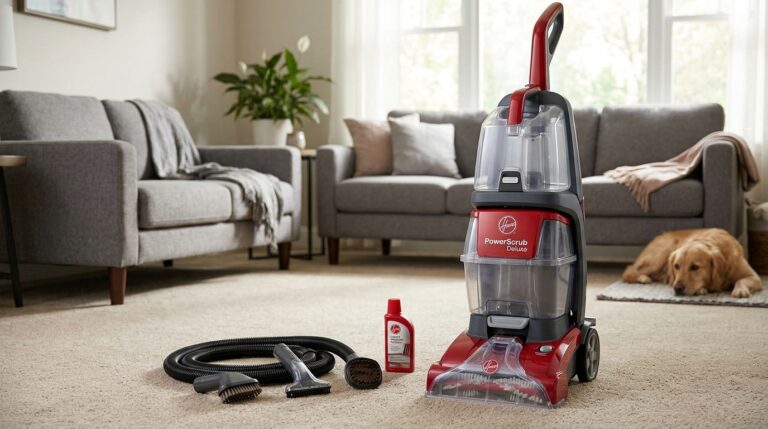
Full-size carpet cleaners provide deeper cleaning across large areas. Their larger tanks and stronger motors make them efficient for entire rooms, but they are heavier, require more storage space, and take longer to set up.
Professional cleaning services offer thorough results, particularly for heavily soiled carpets, valuable rugs, or persistent odors. They involve scheduling and ongoing cost, and they are typically used periodically rather than for every spill.
A portable spot cleaner occupies the space between a stain remover and a room-sized machine. It delivers more extraction than a cloth and spray, while remaining compact enough to use whenever a spill happens. Its main limitation is coverage, since efficiency decreases as the treated area grows. Choosing among these options depends on the size of your home, the surfaces you clean, how often accidents occur, and how much time you want to invest in each session.
Frequently Asked Questions
Is a portable spot cleaner the same as a carpet cleaner?
Not quite. A spot cleaner is designed for localized areas and is typically lighter and more compact. A full carpet cleaner is built to cover larger floor sections and generally has bigger tanks and a wider cleaning head.
Can I use this type of machine on upholstery and car seats?
Many portable models include upholstery or crevice tools suited to these surfaces. Check the fabric’s care label, confirm that the attachments in the listing match your needs, and test on a hidden area before treating visible sections.
How soon should I treat a stain?
Sooner is generally better, because fresh liquids are easier to lift than dried residue. Blot first with a clean cloth, then use the machine, and avoid rubbing, which can push the stain deeper into the fibers.
Will it eliminate pet odors completely?
It can remove surface residue that contributes to odor, but material that has soaked into padding or a subfloor may not be fully addressed. A formula designed for organic stains may help, and persistent smells sometimes require professional attention.
How long does a treated area take to dry?
Drying time depends on the fabric thickness, the amount of solution used, the humidity, and the airflow in the room. Thick carpets and cushions take longer. Ventilation and fans can shorten the wait.
Do I need a specific cleaning solution?
Many manufacturers recommend a particular formula for their machines. Using an unapproved product can affect performance, leave residue, or conflict with the warranty, so check the manual for approved solutions and dilution instructions.
Can it handle large stains?
A portable machine can treat large stains in sections, working gradually from the outside inward. For very large areas, a full-size machine or a professional service is usually more practical.
Conclusion
The Hoover CleanSlate Plus is a portable spot cleaner designed for carpet and upholstery, aimed at the spills, pet accidents, and everyday marks that appear between deeper cleanings. Its practical value depends on the surfaces in your home, the typical size of your messes, and your willingness to work through each spot carefully. Reviewing the attachments, confirming solution requirements, testing on hidden areas, allowing proper drying time, and keeping the tanks and nozzle clean will help you judge whether a machine like this fits your routine.